







What’s New in 2025
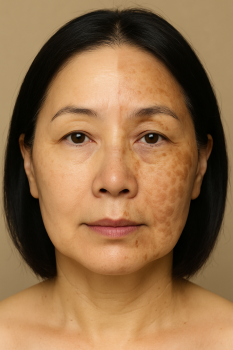
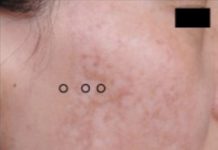
Melasma is a chronic skin disorder characterized by symmetrical, blotchy, brownish facial pigmentation. It primarily affects women and is often triggered or worsened by hormonal fluctuations, sun exposure, heat, and even stress. In Southeast Asia, where UV exposure is intense and skin types are more prone to pigmentary disorders, melasma is particularly common.
What Exactly Is Melasma?
Melasma is often dismissed as a simple pigmentation problem, but science in 2025 is revealing a much deeper story. Gone are the days of relying solely on pigment lasers and whitening creams. Today, doctors and researchers are beginning to understand that melasma is more than skin- deep it’s a complex, chronic condition rooted in the skin’s aging and vascular systems, inflammation, and compromised structural integrity. The goal is no longer just fading the dark patches, but holistically restoring the skin’s health.
Why We’ve Been Getting It Wrong
Traditionally, melasma has been treated with pigment-targeting lasers, topical bleaching agents like hydroquinone, and sunblock. While these can provide short-term improvements, they often lead to recurrences or, worse, worsen the pigmentation due to heat and inflammation from repeated laser use. It’s like sweeping leaves under a tree – the patches keep coming back unless you treat the root cause.
The 2025 Understanding: It’s a Whole-Skin Disorder
Recent research shows melasma is not just a pigment issue but a multifactorial condition involving:
- Aging skin: A compromised basement membrane allows melanin to leak into the dermis.
- Chronic inflammation: The skin’s constant state of inflammation worsens pigment production.
- Vascular component: Increased blood vessels (telangiectasia) contribute to pigmentation.
- Oxidative stress and hormonal imbalance: These exacerbate melanocyte activity.
The New Treatment Philosophy: Strengthen, Repair, Then Fade
Instead of immediately targeting the pigment, 2025 protocols emphasize first healing and strengthening the skin:
1. Lifestyle and Biohacking: Your Skin Reflects Your Health Melasma treatment now starts from within. Lifestyle changes including:
- Managing stress (shown to impact melanocyte-stimulating hormone)
- Prioritizing quality sleep and regular exercise
- Antioxidant-rich diets
- Supplementation with oral tranexamic acid, glutathione, and polypodium leucotomos
These work synergistically with topical and procedural treatments.
2. Topical Skincare: Moving Beyond Hydroquinone 2025 has introduced new topicals aimed at skin barrier support and inflammation control:
- Cysteamine: A safer depigmenting agent that works on melanin pathways.
- Niacinamide, resveratrol, and bakuchiol: Reduce oxidative stress.
- New peptides and growth factors: Help repair the dermal-epidermal junction.
3.Injectables: The Role of Polynucleotides in Melasma Management Polynucleotides (PNs) are regenerative molecules that support healing at a cellular level. They assist in rebuilding the skin’s basement membrane and extracellular matrix, which may help reduce melanin leakage and strengthen the skin barrier. In some cases, doctors may start treatment with PN injections to help improve skin health before initiating pigment-targeting procedures.
4. Devices: Less Heat, More Healing Too much heat from pigment lasers can aggravate melasma. That’s why device choice has shifted:
- Slyfirm X: A cutting-edge microneedling radiofrequency device that targets both pigmentation and vascular issues without overheating the skin. It helps stimulate collagen, tighten the skin, and improve the basement membrane.
- Vascular Lasers (e.g. 532nm or 577nm wavelength): Used to treat the vascular component of melasma by reducing telangiectasia and inflammation.
Once the skin is stabilized, low-fluence Q-switched lasers or picosecond lasers may be introduced to gently reduce pigment without triggering rebound melasma.
Interesting Facts You Might Not Know
- Studies now show that even visible light (like indoor LED lighting) can worsen melasma. That’s why iron oxide-containing sunscreens are now recommended.
- Melasma can be aggravated by heat alone such as hot showers or spicy food.
- Stress management techniques like yoga or meditation have been shown to improve skin barrier function.
A Holistic, Sustainable Future for Melasma
Melasma is no longer seen as a simple cosmetic problem. In 2025, it’s recognized as a visible sign of deeper skin dysfunction. Treatment is not a one-size-fits-all approach, but a tailored plan that involves internal health, skin repair, and targeted device therapies. The key is to repair first, treat second, and maintain with consistent care.
By approaching melasma with respect for its complexity, patients can now achieve clearer, healthier skin and keep it that way.
References
- Kang, H. Y., Bahadoran, P., & Ortonne, J. P. (2020). The pathophysiology of melasma. Pigment Cell & Melanoma Research, 33(6), 841-852.
- Grimes, P. E., Bhawan, J., & Pandya, A. G. (2022). A review of contemporary melasma treatment. Journal of Clinical and Aesthetic Dermatology, 15(3), 28-35.
- Passeron, T., Picardo, M. (2018). Melasma, a photoaging disorder. Pigment Cell & Melanoma Research, 31(4), 461-465.
- Rerknimitr, P., & Manuskiatti, W. (2021). Role of vascular lasers in the treatment of melasma. Lasers in Surgery and Medicine, 53(4), 544-552.
- El Domeiri, N., & Goldberg, D. (2023). The role of radiofrequency microneedling in pigmentation disorders. Dermatologic Surgery, 49(1), 49-55.
- Lee, H. S., et al. (2019). Efficacy of polynucleotide injections for skin rejuvenation: A clinical study. Journal of Cosmetic Dermatology, 18(4), 1034-1040.
- Choi, M., et al. (2021). The efficacy of oral tranexamic acid in melasma treatment: A systematic review. Journal of Drugs in Dermatology, 20(2), 187-192.
- Sarkar, R., et al. (2020). Melasma: current treatment options. Journal of Clinical and Aesthetic Dermatology, 13(2), 30-44.
- Bella, M. C., & Cho, S. (2023). Microneedling RF for Asian skin: Focus on melasma and post-inflammatory hyperpigmentation. Skin Research and Technology, 29(1), e13123.
- Wang, J. V., et al. (2022). Cysteamine cream in melasma treatment: A clinical review. Journal of Cosmetic and Laser Therapy, 24(3), 138-142.