






The Hype, the Science, and How I Personally Use It
What Exactly Is Contrast Therapy?
If you’ve ever been sore after a tough workout or felt puffy and fatigued after a long day, someone may have suggested a cold bath or a hot one. But what if using both heat and cold in succession could help you feel better, faster?
Contrast therapy, also known as hot and cold therapy or contrast bathing, is a recovery method that involves alternating between heat and cold to stimulate circulation, reduce inflammation, and support natural healing. Typically used by athletes, it’s now gaining popularity in the general wellness and recovery space and with good reason.
You’ll often find it in the form of:
- A sauna followed by a cold plunge
- A hot compress followed by ice
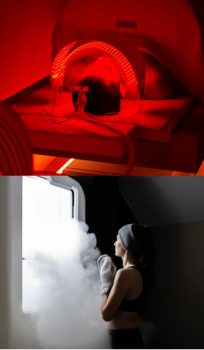
- Or more advanced combinations like infrared heat and cryotherapy, available at recovery centers like Aura Regen
But is it all just a wellness buzzword? Let’s unpack the science.
The Science Behind Contrast Therapy: How It Works
At the core of contrast therapy is a physiological process called vascular pumping. Here’s what that means:
- Heat causes blood vessels to dilate (expand), which increases circulation and helps oxygen and nutrients flow to tired or damaged tissues.
- Cold does the opposite—it causes blood vessels to constrict, which reduces inflammation, swelling, and pain.
When you alternate between the two, your blood vessels open and close in a rhythmic way. This pumping effect helps:
- Flush out metabolic waste (like lactic acid)
- Deliver fresh, oxygen-rich blood
- Speed up recovery from physical exertion
- Reduce muscle soreness
- Stimulate the lymphatic system
It’s like giving your body’s circulatory system a workout of its own without lifting a finger
What Makes It So Effective?
- Inflammation Control
- Hot-cold contrast therapy effectively manages the body’s inflammatory response. The warmth relaxes muscles and promotes healing, while the cold reduces excessive inflammation and alleviates pain.
- Boosts Circulation
- This treatment improves blood flow throughout the body, much like cardio exercise. Enhanced circulation leads to quicker recovery and less stiffness.
- Lymphatic Drainage
- Since the lymphatic system lacks its own pump, contrast therapy “manually” stimulates lymph flow, aiding in detoxification and reducing puffiness.
- Nervous System Reset
- Switching quickly from hot to cold activates your autonomic nervous system, increasing alertness, stress resilience, and even improving mood. Many people feel energized and refreshed afterward.
- Gentle Recovery
- Unlike deep massage or high-impact exercise, contrast therapy provides recovery benefits without putting extra strain on your muscles or joints.
How I Personally Use Contrast Therapy
I don’t have a cryotherapy chamber or full spa setup at home of course,. But I make still work with what I have…
At home, I use a portable infrared heat mat or a long hot shower to get my body warm.
Then I’ll do a quick cold rinse or use ice packs on sore areas like my back or knees.
I try to do this 2 to 3 times a week, especially after exercise or long days on my feet. It’s quick, and I always feel lighter, sharper, and less bloated afterward.
When I’m in Kuala Lumpur, I will always visit Aura Regenerative Wellness Clinic. They offer a contrast therapy protocol using:
- Far-infrared sauna with MX stone technology deeply penetrates the body to detox and promote heat-induced circulation.
- Cryotherapy chamber ultra-cold temperatures for a couple of minutes to rapidly shut downinflammation and trigger recovery.
This works wonders for me and allows me to work faster, sharper and longer without feeing tired.
Can You Do Contrast Therapy at Home?
Absolutely! Here’s a beginner-friendly method anyone can try:
Simple Routine:
- Heat phase: 10–15 minutes in a warm bath, sauna, or hot compress.
- Cold phase: 1–3 minutes in a cold shower, ice bath, or using ice packs.
- Repeat the cycle 2–3 times.
Make sure to end on cold if you want to reduce inflammation, or end on heat if you’re looking for muscle relaxation before bed.
Best Times to Use Contrast Therapy
- After intense workouts
- When you feel bloated or puffy
- During recovery from a mild injury (consult a doctor first)
- As part of your regular wellness routine
Is It Safe for Everyone?
While contrast therapy is generally safe, some individuals should approach with caution:
- People with heart conditions or high blood pressure
- Anyone with poor circulation or nerve disorders
- Those recovering from recent aesthetic treatments (wait until your provider gives the green light)
If you’re unsure, consult a healthcare or wellness professional first.
Final Thoughts: Worth the Hype?
In a word: Yes.
Contrast therapy is more than a fleeting wellness fad it’s a scientifically supported way to improve circulation, manage inflammation, and recover more efficiently.
Whether you’re an athlete, a weekend warrior, or simply someone who wants to feel lighter, calmer, and more energetic, contrast therapy is a valuable (and accessible) tool in your self-care toolbox.
And if you want a high-quality experience using professional grade equipment, Aura Regen in Kuala Lumpur offers one of the best contrast therapy setups I’ve tried.
References
- Bleakley, C. M., Costello, J. T., & Glasgow, P. D. (2012). Should athletes return to sport after applying ice? A systematic review of the effect of local cooling on functional performance. Sports Medicine
- Higgins, T. R., Greene, D. A., & Baker, M. K. (2017). Effects of cold water immersion and contrast water therapy for recovery from team sport: A systematic review and meta-analysis. Journal of Strength and Conditioning Research
- Vaile, J. M., Halson, S. L., Gill, N. D., & Dawson, B. T. (2008). Effect of cold water immersion on repeat cycling performance and thermoregulation in the heat. Journal of Sports Sciences
- Versey, N. G., Halson, S. L., & Dawson, B. T. (2013). Water immersion recovery for athletes: Effect on exercise performance and practical recommendations. Sports Medicine
- Hohenauer, E., Taeymans, J., Baeyens, J. P., Clarys, P., & Clijsen, R. (2015). The effect of post-exercise cryotherapy on recovery characteristics: A systematic review and meta-analysis
- Wilcock, I. M., Cronin, J. B., & Hing, W. A. (2006). Physiological response to water immersion
- Costello, J. T., Baker, P. R., Minett, G. M., Bieuzen, F., Stewart, I. B., & Bleakley, C. M. (2015). Whole-body cryotherapy (extreme cold air exposure) for preventing and treating muscle soreness after exercise in adults. Cochrane Database of Systematic Reviews
- Kim, H. J., Lee, Y. H., & Kim, C. K. (2014). Changes in serum muscle and liver enzyme activities following 2 weeks of whole-body cryotherapy. Journal of Human Kinetics
- Ihsan, M., Watson, G., & Abbiss, C. R. (2016). What are the physiological mechanisms for post-exercise cold water immersion in the recovery from prolonged endurance and intermittent exercise
- Pournot, H., Bieuzen, F., Louis, J., Mounier, R., Fillard, J. R., Barbiche, E., & Hausswirth, C. (2011). Time-course of changes in inflammatory response after whole-body cryotherapy multi exposures following severe exercis
- Ziemann, E., Olek, R. A., Kujach, S., Grzywacz, T., Antosiewicz, J., & Laskowski, R. (2012). Five-day whole-body cryostimulation, blood inflammatory markers, and performance in high-ranking professional tennis players.
- Peake, J. M., Roberts, L. A., Figueiredo, V. C., Egner, I., Krog, S., Aas, S. N., … & Cameron-Smith, D. (2017). The effects of cold water immersion and active recovery on inflammation and cell stress responses in human skeletal muscle after resistance exercise.